Step 1 · Pick your season
Seasons and weather in the North-East
Long light in summer, short bright days in winter, and weather that changes quickly in between — what each season is really like.
When is the best time to visit Aberdeen?
There is no single best month — it depends on what you want from the trip. The North-East sits far enough north that daylight changes dramatically through the year, and that, more than temperature, shapes what you can comfortably fit into a day. In midsummer it barely gets properly dark; around midwinter the sun is up for roughly seven hours. Plan the length of your outings around that.
Spring (March to May)
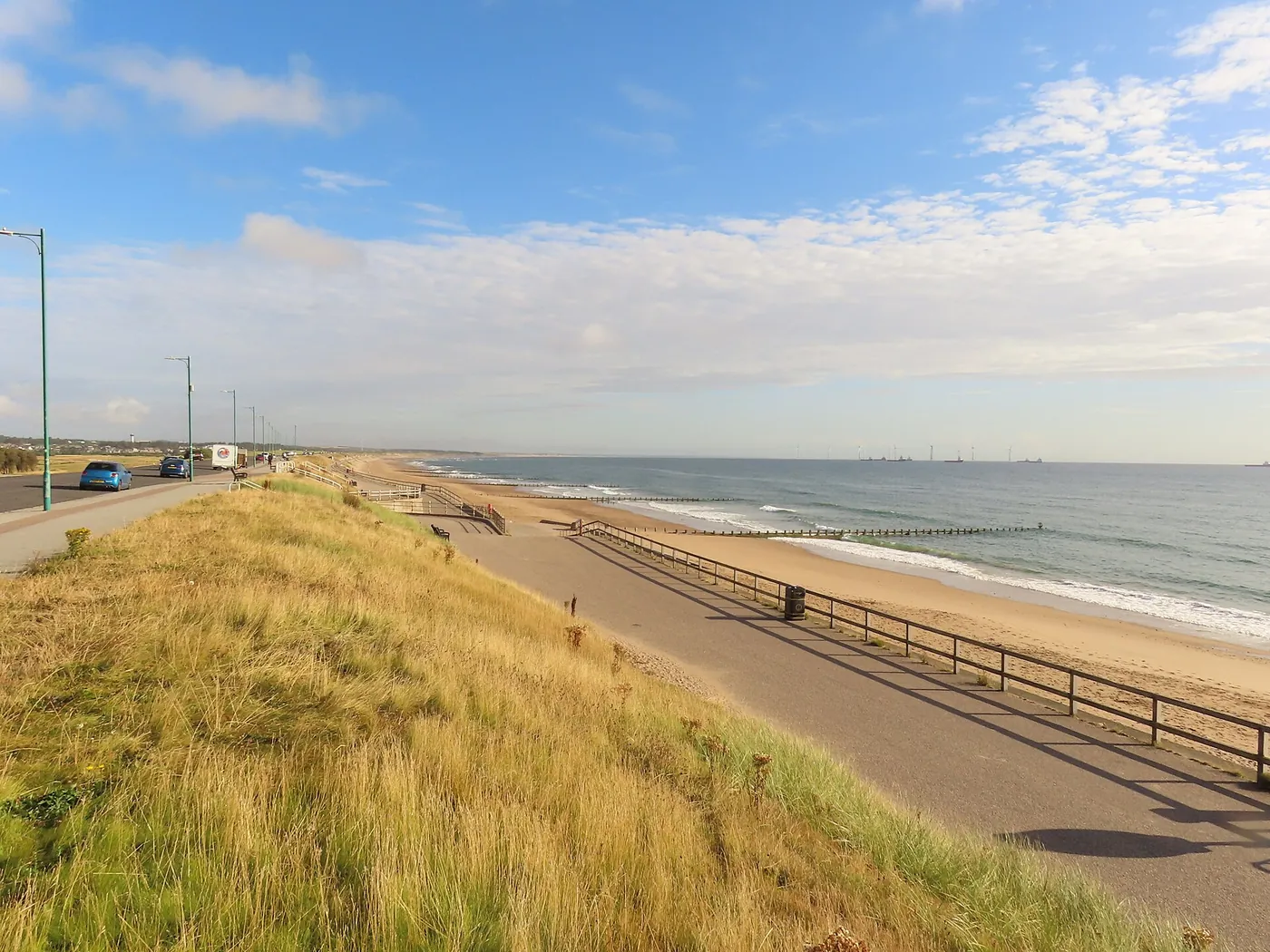
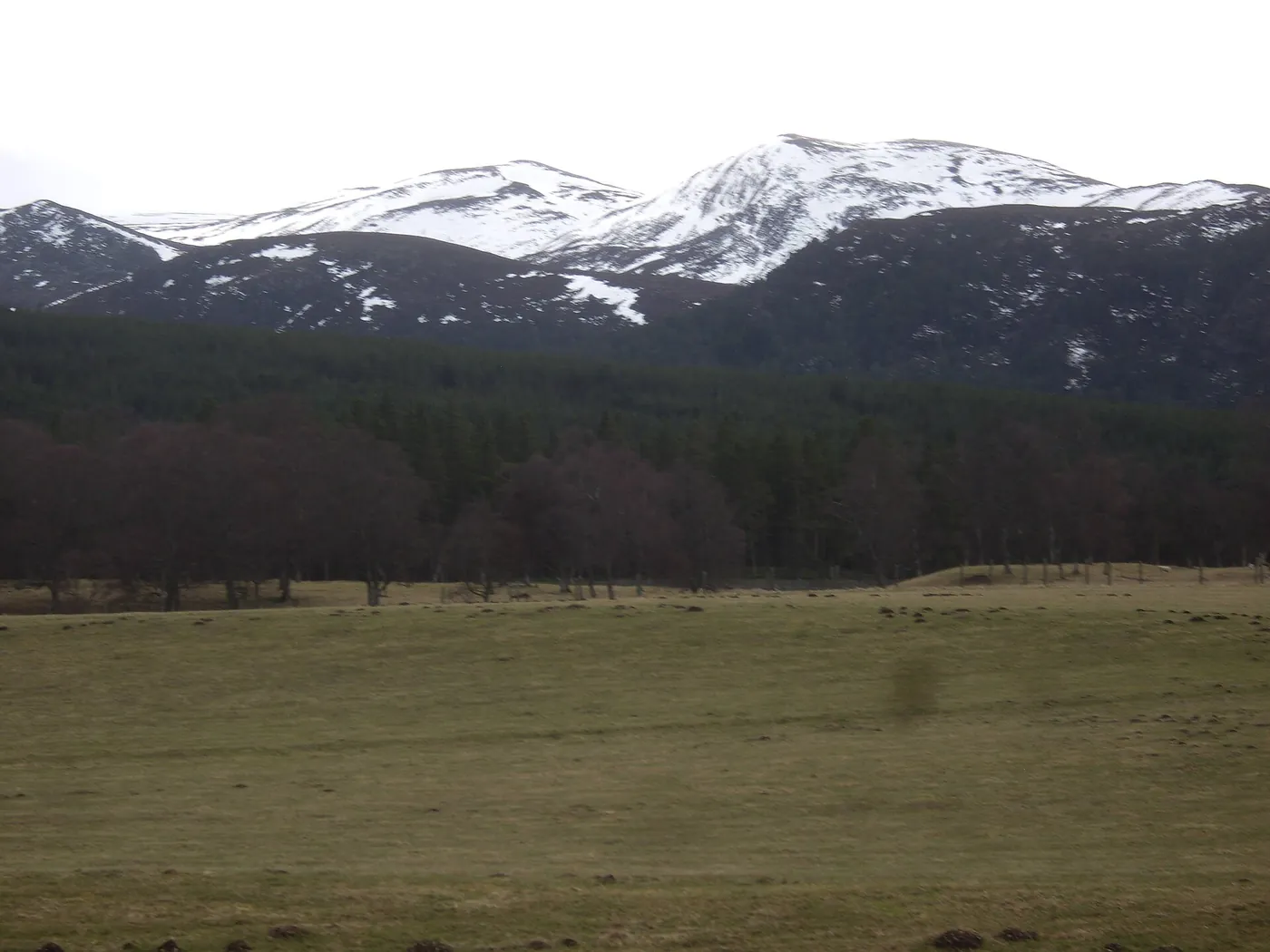
Days lengthen quickly, the parks fill with daffodils and blossom, and the hills begin to lose their snow — though upper Deeside and the Cairngorms can keep snow well into spring. It is often one of the drier spells of the year, but the coast can be chilly in an east wind. Sea mist, known locally as haar, can roll in off the North Sea on otherwise warm days and sit over the beach and harbour while it is sunny a few miles inland.
Summer (June to August)
Summer brings the long evenings that make the region so rewarding: you can walk the coast after dinner in full light. Temperatures are usually mild rather than hot, so pack layers rather than relying on warm weather. This is the busiest period for countryside attractions, castles and Deeside villages, and Highland games are held in towns across Aberdeenshire through the season, so book rooms early if your dates coincide with a local event.
Autumn (September to November)
Early autumn is often settled and golden, with heather fading on the hills and the trees along the Dee turning colour. September brings some of the best-known Highland gatherings on Deeside. By November the days are noticeably short and wetter spells become more common, but city venues — theatres, concert halls, galleries — move into their busiest seasons.
Winter (December to February)
Winter in the city is generally milder than people expect, with snow more likely inland and on the hills than on the coast. The low sun makes the granite sparkle on clear days, and Christmas lights and seasonal shows bring life to the centre. On clear, dark nights away from city lights, the aurora is occasionally visible in this part of Scotland. Higher routes such as the roads over to Braemar and beyond can be affected by snow, so check road conditions before driving inland.
Packing for any season
- A waterproof, windproof outer layer — the wind off the sea is the thing visitors remark on most.
- Layers you can add or remove, rather than one heavy coat.
- Comfortable shoes with grip for granite pavements, which can be slippery when wet.
- Something warm for the evening, even in July.
How the season affects where you stay
In summer, a base in Deeside or a countryside cottage makes the most of the long light. In winter, a city-centre stay keeps you close to indoor attractions and evening events, and avoids driving on dark rural roads. Whatever the season, check whether a major concert, conference or football match is on during your dates, as these can fill rooms across the city.